
Nervous System Regulation for IBD: Shifting Out of Survival Mode
Discover how limiting beliefs developed through chronic illness lock your body in fight-or-flight, and learn nervous system regulation tools to heal your gut with IBD.
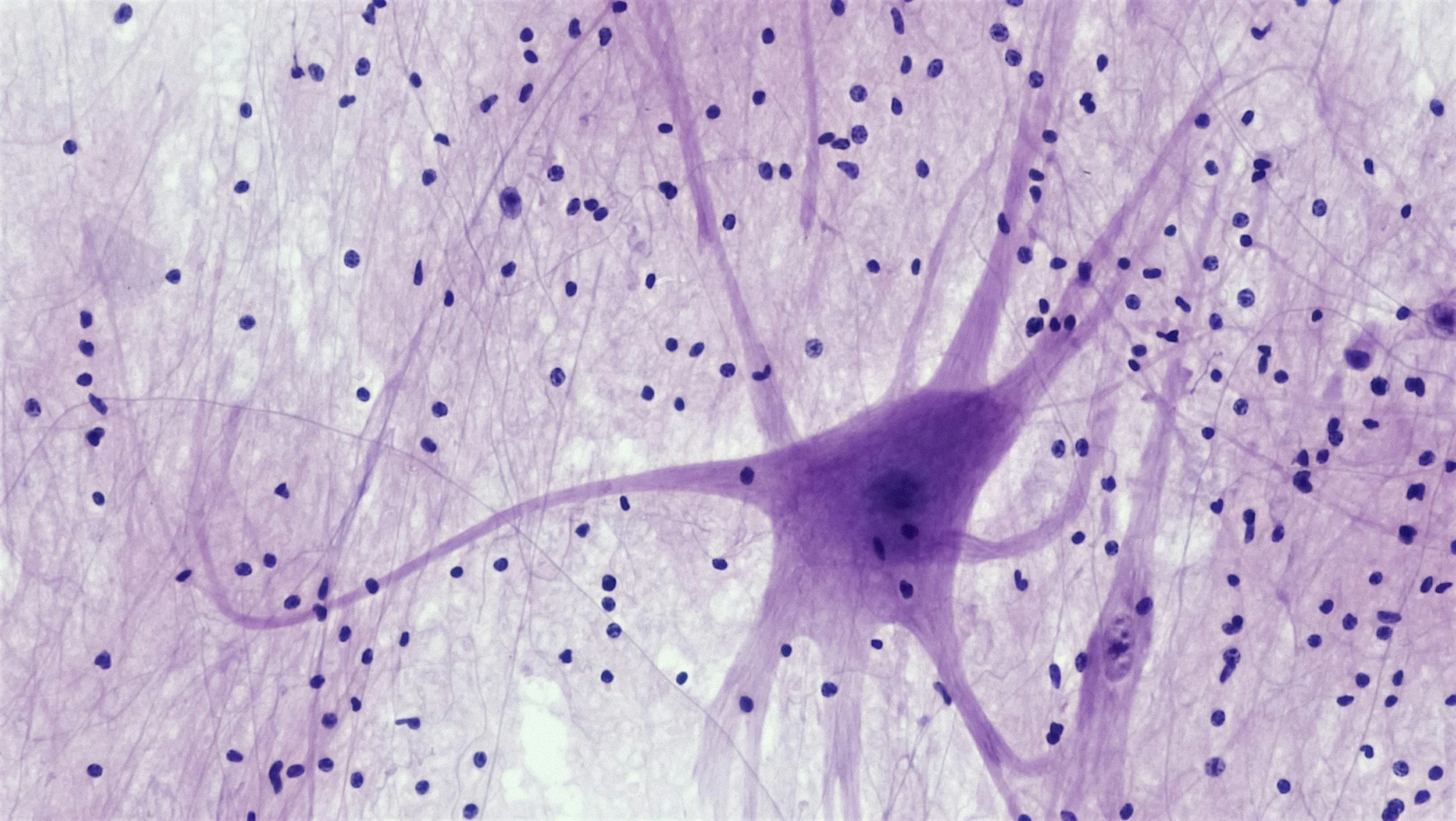
Rewiring for Remission: How Nervous System Regulation Calms IBD Flares
If you are living with Crohn’s disease or Ulcerative Colitis, you already know the intense physical toll it takes on your body. But there is an invisible factor that heavily influences your flares, your healing speed, and your daily comfort that rarely gets discussed in a doctor's office: your nervous system.
Many people trying to heal from chronic gut issues do everything "right." They strictly follow diets, take targeted supplements, and cut out obvious inflammatory foods—yet they still find themselves trapped in a cycle of unpredictable flare-ups.
If this sounds like you, the missing piece of your puzzle isn't a new diet. It is creating an environment of internal safety.
By understanding how nervous system regulation for IBD works, you can intentionally shift your body out of chronic fight-or-flight and unlock the deep cellular healing your gut has been waiting for.
The Gut-Brain Axis: How Stress Dictates Inflammation
The connection between your mind and your gut is not metaphorical; it is a hardwired physical reality. The brain and the digestive tract are constantly communicating through millions of nerves, a superhighway known as the gut-brain axis. The primary highway of this system is the vagus nerve.
When your mind perceives threat or stress, it sends immediate distress signals down the vagus nerve to your gastrointestinal tract. In response, your gut experiences:
Increased Cellular Inflammation: Stress triggers the release of pro-inflammatory cytokines right into the intestinal lining.
Ischemia (Reduced Blood Flow): Blood and oxygen are diverted away from your core organs to your limbs (preparing you to run), which heavily impairs cellular tissue healing.
Altered Motility: Muscle contractions in the colon shift, leading to sudden urgency, spasms, diarrhea, or painful constipation.
Hyper-Permeability: Stress disrupts the tight junctions in the gut lining, directly contributing to leaky gut and letting microscopic food particles trigger systemic immune responses.
When your nervous system is chronically dysregulated, even the cleanest diet or the most advanced biological protocols can only do so much. Your gut cannot digest, repair, or regenerate if its master control system thinks it is running away from a predator.
The Trap of "Survival Mode" and Chronic Illness Limiting Beliefs
Living with an unpredictable chronic illness is traumatizing. It doesn’t take long for the mind to begin viewing the body itself as an unsafe place. This trauma often causes us to subconsciously develop deep-seated chronic illness limiting beliefs, such as:
“My body is broken and fighting against me.”
“Every food I eat is dangerous.”
“I will never be able to live a normal life again.”
While these thoughts are entirely valid reactions to suffering, they keep your autonomic nervous system trapped in a state of hyper-vigilance, also known as survival mode.
In survival mode, your immune system stays on high alert, causing it to overreact to normal triggers like food, weather, or minor daily stressors. To break the cycle of chronic flares, we must intentionally rewire these limiting beliefs. We have to teach your subconscious that your body is not broken. Your symptoms are simply messengers letting you know that the system feels unsafe.
Practical Ways to Rewire Your Nervous System for Gut Safety
Shifting out of survival mode and into a state of rest, digest, and heal requires consistency. Here are foundational, somatic practices you can start using today to cultivate a sense of safety within your body:
1. Reframe Your Symptoms
When you feel a cramp, bloating, or urgency, the instinctual response is panic, which immediately fires up the fight-or-flight response. Instead, pause, place a hand on your stomach, and change the narrative. Try telling yourself:
“My body is not attacking me. It is sending me a message that it needs rest right now. I am safe, and I am listening.”
By shifting fear to curiosity, we are gently creating new neurological pathways and retraining our subconscious.
2. Practice Vagus Nerve Stimulation
Simple physical and somatic exercises act as a "backdoor hack" to signal your brain that the danger has passed. Spend 2 to 3 minutes practicing these daily:
The Physiological Sigh (Dr. Andrew Huberman’s Protocol): This is the fastest biological mechanism to down-regulate your nervous system in real-time. Take a deep inhale through your nose until your lungs feel almost full, pause for a split second, and then sharp-inhale a tiny bit more air to fully inflate the alveoli (air sacs) in your lungs. Finally, release a long, slow sigh out through your mouth. Doing just 2 or 3 of these double-inhale sighs instantly drops your heart rate and signals your brain to turn off the stress response.
The 4-8 Breath: Inhale deeply through your nose for a count of 4, and exhale slowly through pursed lips for a count of 8. Prolonged exhalations mechanically stimulate the vagus nerve to slow down your heart rate.
Somatic Vibrations: Gentle humming, singing, or gargling water activates the vocal cords, which are directly intertwined with the vagus nerve pathways.
Cold Therapy: Splashing ice-cold water on your face triggers the mammalian dive reflex, instantly lowering systemic sympathetic (fight-or-flight) tone.
3. Identify and Rewrite Limiting Beliefs
Pay close attention to how you talk about disease. Do you say "my disease" or "my broken gut"? Begin shifting your identity away from the illness. When you use ownership words like "my," you subconsciously anchor the illness to your personal identity.
To break this cycle, you must begin shifting your identity away from the illness. You are a whole, capable person who is currently navigating a healing process, not a broken person defined by a medical label.
To help rewire your subconscious mind, practice swapping disempowering phrases for objective, healing-focused alternatives:
Instead of: "My disease is flaring up again."
Say this: "My body is currently navigating an inflammatory response, and I am giving it the tools it needs to calm down."Instead of: "My gut is broken / My body is fighting me."
Say this: "My digestive tract is highly sensitive right now, and it is working hard to heal and protect me."Instead of: "I will never be normal again because of my IBD."
Say this: "I am learning exactly what my body needs to thrive, and this journey is building my ultimate resilience."Instead of: "I can't eat anything without flaring."
Say this: "I am intentionally keeping my food simple to give my digestive system a well-deserved rest."Instead of: "I am a sick person."
Say this: "I am a whole, healthy person experiencing a temporary healing chapter."
By shifting from identity ("I am sick") to circumstance ("I am experiencing symptoms"), you detach your self-worth from the symptom tracker. This gives your nervous system the safety it needs to shift out of fight-or-flight and into a true healing state.
The Mind-Body Connection is Only Part of the Journey
Rewiring the nervous system creates the peaceful foundation your gut needs to heal, but true whole-body restoration requires combining this inner safety with root-cause physical support.
To explore how nervous system regulation fits into a comprehensive healing framework—alongside drainage support, parasite cleansing, and advanced protocols—be sure to read our core Root-Cause Guide to Rebuilding Health and Healing IBD.
Map Your Mindset Transformation Over 16 Weeks
If you want daily, actionable guidance to help you step out of survival mode and rewrite the deep-seated beliefs holding your health back, I created a tool specifically for this phase of your journey.
Reclaiming Me: The IBD Reflection Journal is a 16-week prompts-and-affirmations journal available on Amazon. It guides you week-by-week through the exact emotional territory we discussed today, helping you reclaim your safety, protect your mental energy, and untangle your identity from suffering.
Create a Safe Container for Your Healing
If you are tired of navigating the intense ups and downs of IBD completely alone, let's work together 1-1 to identify your unique cellular stressors, rewire the subconscious patterns keeping you stuck, and build vibrant, long-term health.
Schedule Your FREE 20-Minute Discovery Call
